How to Thank Guests at a Wake
How to say thank you at a funeral?
A thank you at a funeral is one of those moments when we don’t stand in front of others, but stand alongside them. In one space, in one story.
It’s not about the words. It’s much more about the gesture.
Expressing thanks at a funeral as part of tradition and inner closure
In every culture, farewells have their own gestures – and thanking is often one of them. It’s not just about politeness. It’s a silent ritual that helps close the circle. From the guests’ perspective, thanking the bereaved shows that their presence was meaningful. That they were part of something important. And that their presence – however brief – is felt by the others.
For the bereaved, saying “thank you” can also be an internal turning point. A moment when the longing begins to subside. It’s a gesture that has an impact on both parties.
How to thank guests after a funeral
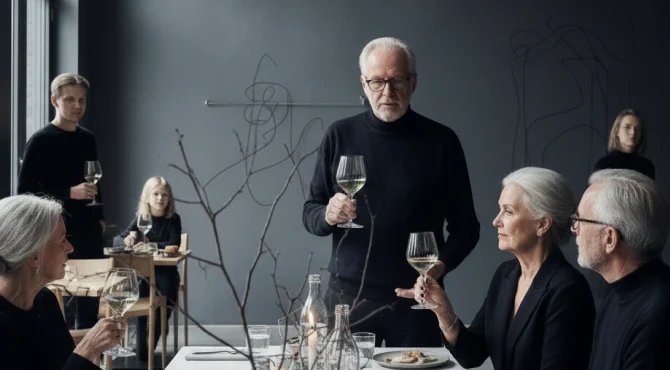
The most common choice is a personal speech during the reception. A few words can be said before the reception begins during a toast or later, when the atmosphere has settled and everyone has finished eating. It is not important when, but you express to all loved ones that they are not alone in their grief and that you appreciate their kindness and support.
You can thank your guests during the speech, but also in writing – at the funeral reception with thank-you cards with the text, for example: “Thank you for being here with us today.” Written thanks can also be sent out as replies to the delivered condolences.
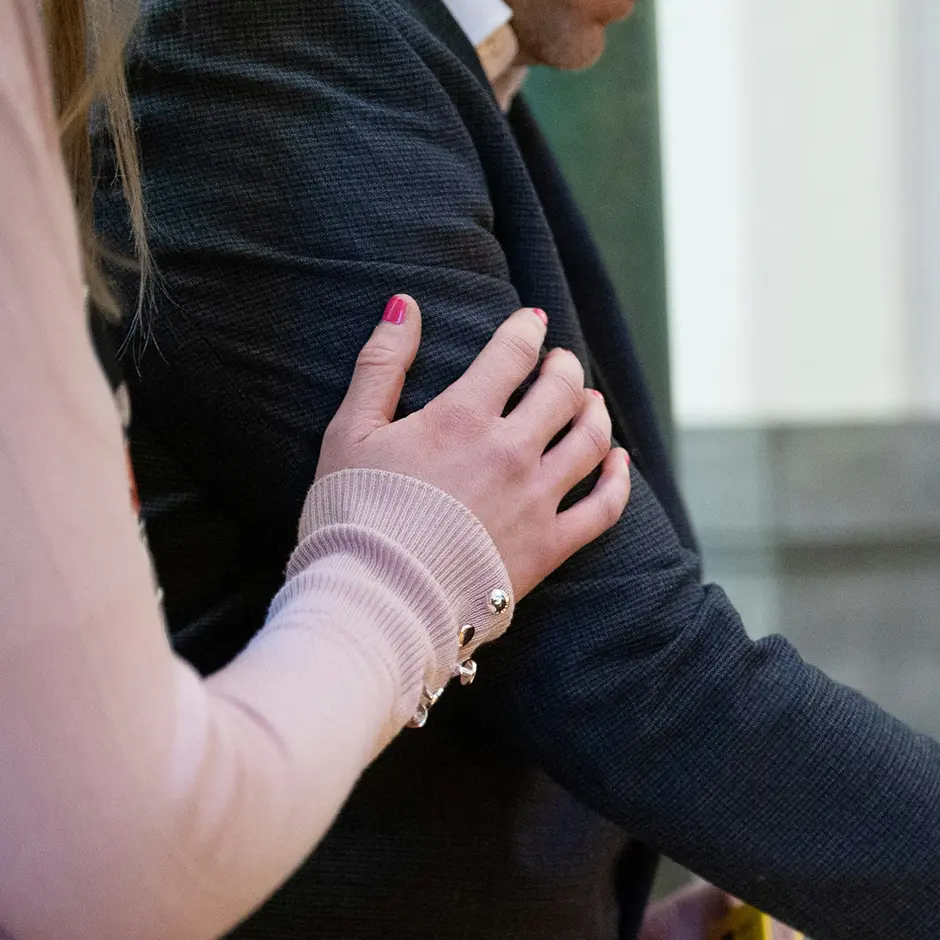
However, the warm gestures and short words of gratitude that can be exchanged with individuals in a few moments in person and out of sight of everyone else are what will be most memorable. A handshake, a hug or even a smile will say “thank you for being here” in a way that words often fail to do.
Examples of thank you notes at a wake
Let yourself be guided by your feelings. Even one word can be the right one.
For example:
- “Thank you for being here.”
- “We really appreciate you coming.”
- “He would have liked to have you here with him.”
- “Thank you for not having to be alone in this.”
- “This meeting is more important than it seems. Thank you.”
While you are thinking and planning, you can read many touching words on the Internet, but do not take the model of thank you at a funeral one by one. It is not important to have a long speech, it is better to speak from the heart. Thank you is not a speech. It is a pause. There is no need to rehearse your speech, to search for the perfect sentence. Just say what you feel. Or just look around and nod.
How to handle public speaking
Speaking in front of people at such a sensitive moment is difficult. Not because of attention, but because of emotions.
If you feel that it won’t work, don’t be afraid to admit it. That’s also powerful. You can prepare a few sentences and read them. Or ask someone close to you to read them for you.
It helps to take a breath before the first word. Look at someone you know. Speak slowly, calmly. The silence between sentences doesn’t matter — on the contrary. In the silence, the most important thing comes out.
What if I can’t say anything?
It’s okay. Thank you doesn’t have to be loud.
It can be written on a card next to the napkins. It can be in the eyes, in the handshake, in the invitation that said it all in advance.
A simple and sincere thank you at a funeral is something you don’t have to worry about. Let your emotions and the relationship that connects you with the guests speak. PEGAS can help you with this topic too.
You can call us anytime at +420 800 176 423.
We are here. Silently but firmly.
For 30 years, we have been creating unique farewells with deep meaning. We listen, we fulfill wishes.
We believe that each of us deserves a dignified ending.