Autopsy: what it is, when it takes place and what you as a bereaved person should know
What is an autopsy and why is it performed?
An autopsy is a professional medical examinationof the body of a deceased person, the aim of which is to determine the exact cause of death or verify the circumstances of death. It is performed by a pathologist or forensic doctor in a specialized medical facility.
People often think of autopsy as a criminal investigation, but in reality, there are several types of autopsies that serve primarily medical and professional purposes.
An autopsy can help:
- clarify the cause of death,
- confirm the correctness of diagnosis and treatment,
- identify any potential health risks,
- support police or judicial investigations,
- contribute to the education of future doctors.
It is important for the family to know that the autopsy is carried out with dignity and respect for the deceased.
When is an autopsy required by law?
Czech legislation, in particular Act No. 372/2011 Coll. on Health Services, stipulates situations in which an autopsy must be performed on a mandatory basis.
An autopsy is usually carried out in the following cases:
- sudden or unexpected death,
- suspected criminal acts,
- suspected suicide,
- death outside a healtcare facility without a clear cause,
- death related to public health treaths,
- specific child deaths,
- occupational injuries or accidents.
Conversely, in the event of an expected death under the supervision of a physician, for example after a long-term illness in a hospital or hospice care, an autopsy is usually not mandatory.
The decision to perform an autopsy is made by a doctor or, if applicable, by law enforcement authorities. The family is usually informed of this step, but they may not always be able to refuse the autopsy.
What are the types of autopsies?
There are several types of autopsies which differ in purpose and who orders them.
Forensic autopsy
A forensic autopsy is carried out when there is a suspicion that the death may have been related to a crime, accident or other unclear circumstances. It is orded by the public prosecutor or a police authority and is carried out by a forensic pathologist.
The result is an expert opinion that can be used in criminal proceedings. The family cannot refuse a forensic autopsy. It is often connected with toxicological and laboratory tests, the results of which can take a long time.
Medical autopsy
A medical autopsy serves to clarify the cause of death from a medical point of view. It is carried out by a pathologist especially in case of the sudden or unclear deaths.
It may also be ordered if a deceased was not under a medical surveillance for a long time or if a cause of death is unclear.
Pathological-anatomical autopsy
Pathological-anatomical autopsy mainly concerns deaths in healthcare facilities. Its aim is to verify the diagnosis, the course of the disease or the cause of complications.
These autopsies are also important for improving healthcare. In some cases, family consent may be required.
Anatomical autopsy
Anatomical dissection is used for teaching and scientific purposes. A person can voluntarily donate their body to a medical school or scientific institution during their lifetime.
Such a decision is usually confirmed in writing. It is a completely different type of autopsy than a forensic or medical examination.
How an autopsy is performed step by step?
Many bereaved people are interested in the answer to the question how the autopsy of a person is performed. Although it is a professional medical process, its course is standardized and it is performed with the emphasis on the dignified treatment of the deceased.
A typical autopsy procedure includes several steps:
Identification and inspection of the body
Firstly the identity of the deceased is verified and basic information on the death is recorded.
External examination of the body
The doctor will assess visible signs, such as any injuries or other important circumstances.
Internal examination
This is followed by a professional examination of the internal organs to help determine the cause of death. This step is carried out according to precisely defined medical procedures.
Sampling
If necessary, samples are taken for toxicological, histological or laboratory analyses.
Body reconstruction
After the autopsy is complete, the body is prepared so that it can be handed over to the family with dignity and prepared for farewell.
Preparation of autopsy report
The doctor will write an official report containing the conclusions and determination of the cause of death.
In the experience of the PEGAS funeral service, the autopsy itself usually does not prevent the display of the deceased before the funeral ceremony or the normal course of the funeral. In the event that an open casket farewell is not appropriate, the specific situation is always sensitively consulted with the family in advance.
How long does the autopsy take and when will we get the body back?
In practice, we often encounter the question of how long an autopsy takes and whether it will delay the funeral date.
The examination itself usually takes about 2 to 4 hours. If additional laboratory tests are required, such as toxicology for a forensic autopsy, the final results may take several weeks to come back.
However, this usually does not mean that the family has to wait that long for the body to be released. In most cases, the deceased is handed over to the funeral home within 24 to 48 hours of the completion of the autopsy.
The family obtains the autopsy report or information about the results from the doctor or, if applicable, from the criminal justice authorities.
Does the family have the right to information? How will we find out the results?
The bereaved have the right to obtain information about the results of an autopsy to the extent provided by law. It is usually possible to request a copy of the autopsy report or a consultation with a doctor.
For medical and pathological-anatomical autopsies, the information is most often provided by the hospital, a general practitioner or a specialist. In the case of a forensic autopsy, some of the information may be part of an ongoing investigation and therefore is disclosed by the police or the public prosecutor.
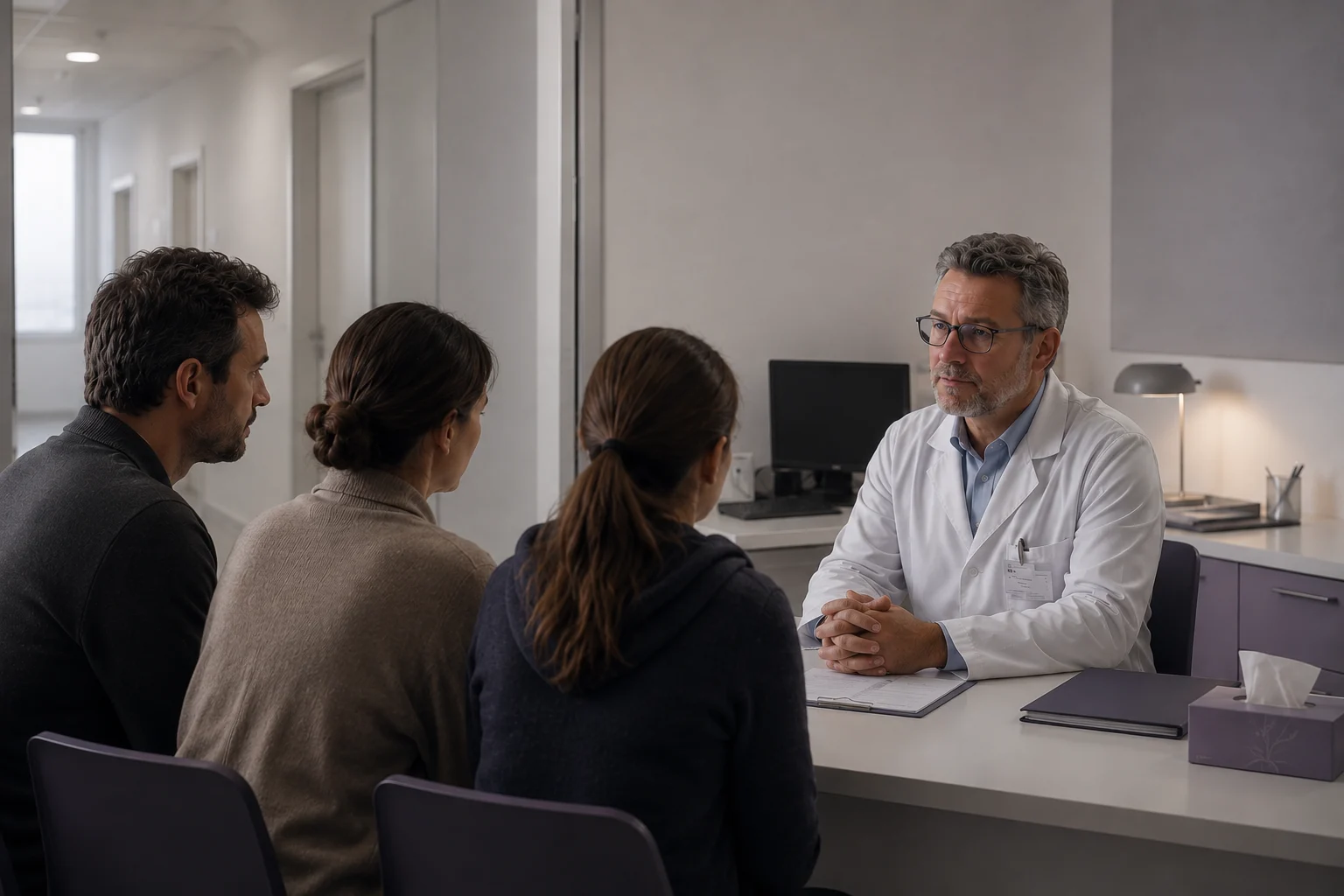
If the family is unsure about what to do next, they can also contact a funeral director or use the services of a bereavement counselor, who can help them deal with practical and emotional issues following the death of a loved one.
Will the autopsy affect funeral planning?
In most cases, an autopsy does not complicate the funeral. Once the examination is complete, the body is handed over to the funeral service and the farewell can take place in the standard manner.
The family can usually choose either cremation pohřeb žehem,or burial in the ground pohřeb do země. However, in the case of a forensic autopsy, cremation may be subject to the consent of the public prosecutor, especially if the investigation is still ongoing.
PEGAS Funeral Service has experience in communicating with hospitals, forensic medicine and law enforcement agencies and will help you coordinate all necessary steps. If you need advice, you can find the contacts here tady, or you can always call our nonstop line: +420 800 176 423.
Frequently Asked Questions about Autopsy
When is an autopsy legally required?
An autopsy is mandatory in cases of sudden and unexpected death, suspected criminal act, death outside a healthcare facility, or suspected suicide. This is regulated by Act No. 372/2011 Coll. on Health Services.
Can a family refuse an autopsy?
A forensic autopsy ordered by the public prosecutor cannot be refused. There are legal exceptions to medical and pathological-anatomical autopsy, depending on the specific circumstances and the doctor’s decision.
How long does the autopsy take and when will we get the body back?
The autopsy itself usually takes 2 to 4 hours. The body is usually released to the family or funeral home within 24 to 48 hours. Laboratory results may be available later.
How is an autopsy performed?
An autopsy includes an external examination of the body, an internal examination of the organs, the collection of samples for laboratory analysis, and the final preparation of the body. The result is an autopsy report determining the cause of death.
Will an autopsy affect the choice of burial or cremation?
In most cases, an autopsy will not affect the burial. In the case of a forensic autopsy, cremation may be subject to the consent of the public prosecutor, with whom the funeral home communicates.
Conclusion
An autopsy is a sensitive and new topic for many bereaved families. However, it can help clarify the cause of death and provide answers that are important to loved ones. In most cases, it does not complicate the funeral or memorial service.
This guide is based on the current Czech legislation (Act No. 372/2011 Coll.) and the experience of the PEGAS funeral service. If you are looking for further explanations of terms related to death and funeral, you can also visit our glossary of terms slovník pojmů.
Author: Lucie Kohoutková
We are here. Silently but firmly.
For 30 years, we have been creating unique farewells with deep meaning. We listen, we fulfill wishes.
We believe that each of us deserves a dignified ending.