
How is the repatriation of the deceased carried out?
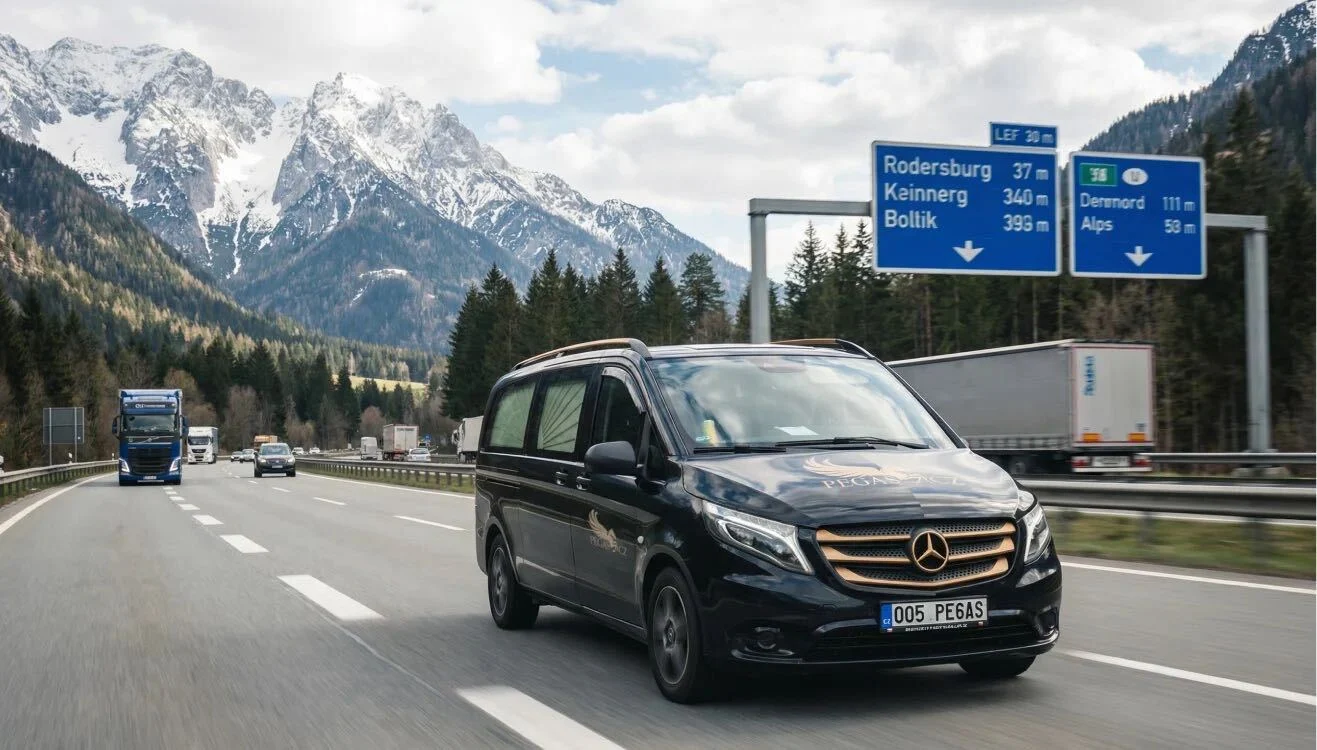
Transporting a deceased person from abroad has a set of procedures. It includes communication with the insurance company, foreign funeral service and local authorities, securing the necessary documents and the actual transport to the Czech Republic. In this article, we will take you through the entire repatriation process step by step and explain what can affect its duration.
Repatriation of the deceased
The specific process of repatriation depends on the place of death, the regulations of the country, the method of transportation, and whether the deceased had travel insurance. However, the basic procedure is similar in most cases.
First contact
If the deceased was insured, the family contacts the insurance company’s assistance service. The insurance company requests the necessary documents and basic information about the place of death, the deceased’s burial and the location of his or her identity document. This information is then passed on to the funeral service, which will coordinate the repatriation.
If travel insurance was not arranged, the family contacts the funeral service, which specializes in repatriation, directly. The funeral service itself requests the necessary information and documents and suggests further steps.
Securing the documentation
The chosen funeral service must be authorized in writing to act abroad. They then arrange the documentation required for repatriation and communicate with local authorities.
The documents vary depending on the country of death, the method of transport and local laws. It is their preparation that is often the most time-consuming part of the entire process.
Cooperation with a foreign funeral service
The PEGAS funeral service communicates with proven foreign partners or with the funeral service at the place of death where the deceased is buried.
The foreign funeral service will secure the necessary permits, prepare the deceased for transport according to local hygiene regulations and the requirements of the selected carrier, and provide all necessary information to the Czech side.
Selection of transport method
Depending on the distance, local conditions and requirements of each country, it will be determined whether the repatriation will take place by car, by air or a combination of both.
The decision will also take into account the cost, speed, availability of connections and the requirements of the specific country or airline.
Handover of the deceased in the Czech Republic
Upon arrival or flight to the Czech Republic, the deceased is handed over to a pre-determined funeral service chosen by the family. This does not have to be the same service that provided the repatriation itself. The family then decides on the method and date of the final farewell, whether with or without a ceremony.
What is the role of PEGAS during repatriation?
PEGAS Funeral Service usually takes over most of the organizational and administrative steps associated with repatriation.
We ensure particularly:
- communication with a foreign funeral service,
- cooperation with the insurance company,
- communication with local authorities,
- necessary permits and documentation,
- organization of transport by car or air,
- a suitable coffin according to local and international regulations,
- embalming, if required by the carrier or a specific country,
- handover of the deceased to the chosen funeral service in the Czech Republic.
Survivors do not have to communicate with foreign authorities themselves or be familiar with the complex administrative requirements of individual countries.
What the family must provide
The family will usually provide basic information about the deceased and the circumstances of the death. They may also need to provide proof of identity or relationship, provide the deceased’s birth or marriage certificate, and sign the necessary powers of attorney and consents.
It is also important to decide whether they wish to transport the body, or cremate it abroad and then transport the urn.
The specific requirements always vary depending on the circumstances of the case.
How long does the repatriation process take?
For repatriations from European countries, the entire process can usually take from 10 to 14 days.
However, the exact day cannot be guaranteed. The length of the repatriation prepatarion process is determined primarily by foreign institutions, local authorities and other parties involved.

Why repatriation can take a long time?
The most common reason for the process to take longer is waiting for the necessary documents. Each country has different laws, procedures and requirements.
The process may also be extended in the following cases:
- a police investigation is underway,
- the autopsy is ordered,
- the death is related to an accident, violent act or crime,
- the deceased did not have travel documents with him,
- identity of the deceased must be proven,
- the local administration requires additional permission
- there has been a mass-casualty incident
In some cases, repatriation can take several weeks. It also depends on the procedure of local authorities, hospitals, police and other institution which must approve the transport or issue the necessary documents.
What documents are necessary for repatriation?
The required documentation varies depending on the country of death and the method of transport. For air repatriation, the most important documents include the death certificate, the laissez-passer for the transport of the deceased, a copy or original of the passport or identity card. In addition, the embalming protocol and confirmation that the coffin has been sealed in accordance with international regulations, the so-called sealing certificate.
For repatriation from countries outside the European Union, an accompanying letter or a permit issued by the embassy of the country in question, known as a no objection permit, may also be required.
For transport by hearse within the European Union, the documentation is usually simpler. Usually, a death certificate, laissez-passer and a death certificate from the hospital are required. Embalming or other special permits are usually not required.
The specific requirements are always based on local regulations and are handled by the funeral service that coordinates the repatriation.
Each repatriation has its own process
Although repatriation has its basic steps, each case is different. The country of death, local administration, method of transport and the circumstances under which the death occurred are decisive.
However, the family usually does not have to deal with the situation alone. PEGAS can take over communication with foreign partners, authorities and the insurance company and ensure the entire process until the deceased is handed over to the Czech Republic.
The specific course of repatriation can also vary significantly depending on the country and the chosen method of transport. In the following article Transport of the deceased from abroad: method of transport and differences between countries, we will discuss repatriations from Croatia, Italy and Greece, transport by car and plane and what affects the total price.
In the previous article, you will find an overview of recommendations on who to contact and what to avoid.
We are here. Silently but firmly.
For 30 years, we have been creating unique farewells with deep meaning. We listen, we fulfill wishes.
We believe that each of us deserves a dignified ending.