
Funeral Reception: Traditions and Practical Tips
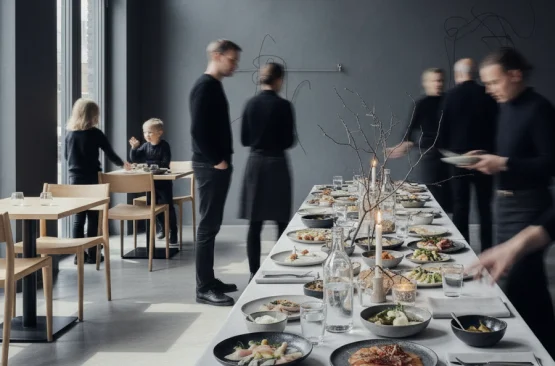
A funeral reception is more than just a gathering after the ceremony. It is a time for loved ones to pause – together – and be present in a moment that brings a story to a close.
What is a funeral reception and why is it held?
Historical and cultural context
Funeral receptions have accompanied humanity throughout the centuries. In ancient cultures, they were a common part of farewells – sometimes they took the form of a solemn ceremony, sometimes it was just a simple meal of bread and wine among the closest people. In Slavic and Christian traditions, a shared meal had a deep meaning: a strengthening of bonds, a symbol of the continuation of life and a ritual return to the usual rhythm.
The psychological meaning of the gathering
Shared moments after the funeral help with the grieving process. They allow the bereaved to talk, to listen, to breathe again. In an informal setting, memories often emerge that were not heard during the ceremony itself. The reception thus becomes a natural continuation of the farewell.
Course of the funeral reception
Those, who are present
Participation depends on the wishes of the family and the nature of the farewell itself. Sometimes all guests are invited, sometimes only a small circle of loved ones. The invitation can be included in the obituary, mentioned during the ceremony, or addressed personally. It is not a formality – it is a space that can be open or very intimate.
How long does it take
Duration is not set. Some receptions last an hour, others an entire afternoon. The important thing is to create a relaxed environment where there is no time pressure. Sometimes tea and cake is enough, other times people choose to have lunch or a commemorative afternoon. It all depends on what makes sense to you.
Basic etiquette
There are no strict rules at a funeral. However, it is advisable to be respectful of the place, the people and the atmosphere. Choose dark clothing that makes you feel comfortable and is appropriate for the venue.
There is no need to apologize for your emotions – neither for tears, nor for a smile.
Practical advice for arrangement
The venue selection
There are many possibilities:
- A restaurant offers comfort and facilities.
- A family home creates closeness and informality.
- A rented hall can offer space for a larger group as well as privacy.
Choose a location which is accessible to guests, not too far from the final farewell, and where they have experience with this type of event. The location should also match the atmosphere you want to create.
Refreshments
Traditionally, one dish and soup are served. You can choose the favorite dish of the person you are remembering. Don’t worry about what this or that person will eat. If everyone had to choose according to their own taste (and there are more than 20 of you), chaos would be inevitable. Of course, this is possible in smaller groups.
Today, it is common to offer a modern option: a buffet with a sweet corner.
The symbolism is more important than kind of dish. Gathering around a plate with other loved ones and remembering what the deceased liked and what was part of him is the essential purpose.
Costs and organization
The budget for the banquet can be adjusted. It depends on the number of guests, the location and the chosen refreshments. If you do not want to deal with the details yourself, you can contact a funeral service that will help with the organization or recommend reliable suppliers. Here too, the rule is – no more is necessary than you feel is meaningful.
The costs can be shared among the immediate family or close circle. It always depends on the agreement and possibilities of the person organizing the funeral.
Regional and religious differences
Banquets take different forms in different parts of the Czech Republic and religious communities. In some places, the Lenten kind of meal is prefered, in others traditional dishes prevail – for example, cakes or soups. In a Christian environment, prayer before a meal is common, in other communities a special ritual or toast may be held in memory of the deceased.
Differences are not an obstacle – they are part of the stories. Every family, every region, every faith brings a different tone. And they can all sound dignified.
Do you have a question? You can call us anytime on the phone number: +420 800 176 423.
We are here. Silently but firmly.
For 30 years, we have been creating unique farewells with deep meaning. We listen, we fulfill wishes.
We believe that each of us deserves a dignified ending.