
Grief Counselor: A Guide Through the Most Difficult Time
When someone close to you passes away, time slows down for a moment. The days are different, harder, quieter. There is no need to lie to yourself. And there is no need to rush.
Grief has its own form for everyone. And that is exactly where someone who is nearby can be a support when words are not enough.
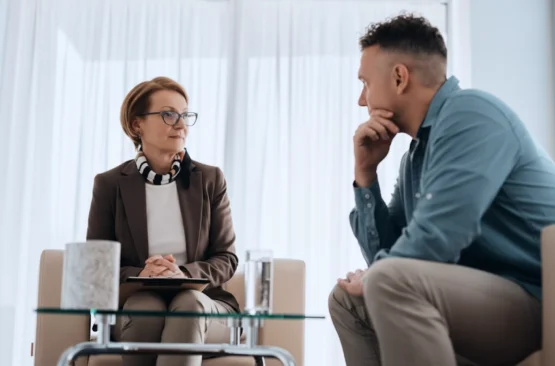
A counselor for the bereaved is a guide through this period. They do not solve everything for you, but they can be there. They help you name what you are experiencing. They bring simplicity where there would otherwise be too many question marks.
What does bereavement counseling actually mean?
It is a space where you can be who you are. There is no need to explain, defend, manage. Just be.
Counseling is not a guide to “get over” grief quickly. It is an offer of support, silence, understanding. Help with what is happening inside, as well as with what needs to be arranged outside.
In Western Europe, the USA or Australia, a counselor is a common part of the journey of loss. In our country, this approach is slowly developing – PEGAS was one of the first to offer it.
What can help look like?
Counseling is not always the same. Some people need to talk. Others just want to be with someone who understands. There are many options:
- Individual conversation – a confidential meeting where you can talk about what hurts and what helps.
- Group support – a meeting of people who have experienced something similar. Sharing that does not compare, but connects.
- Support for children and families – every child experiences grief differently. A counselor can help find a sensitive way to talk about the loss and be supportive of each other.
- Practical help – sometimes everything that needs to be done is a burden. A counselor can help you go through it step by step.
It’s not about therapy. It’s about presence. It’s about being able to breathe – calmly, even in the midst of chaos.
When and why to consider a counselor
Sometimes grief comes right away. Sometimes it comes later. Sometimes it lingers quietly. That’s okay. A grief counselor isn’t there to tell you how to feel, but to help you find your way back to yourself.
You can reach out to them anytime. Even if you’re not sure what you need. Even if you just need to say a few words out loud.
Where to find a counselor
Counseling for survivors is offered by:
- specialized funeral services,
- non-profit organizations focused on supporting survivors,
- psychological counseling centers,
- online platforms with confidential remote conversations.
PEGAS has its own trained counselor for survivors – with respect, experience, and the ability to be there even in moments when not much needs to be said.
In conclusion
Each of us says goodbye differently. But we shouldn’t be alone. A bereavement counselor is not a rescue – it’s a presence. It helps to bear what might otherwise be too much.
We believe that sadness has the right to time. That even silence can be healing. And that a helping hand at the right moment will change more than words promising less pain.
If you need support, we are here for you.
Non-stop line: +420 800 176 423. No rush. No pressure. With respect.

We are here. Silently but firmly.
For 30 years, we have been creating unique farewells with deep meaning. We listen, we fulfill wishes.
We believe that each of us deserves a dignified ending.